
By Chantal Dresner (BioSpace) | September, 2026 | 3 Minute Read
The conversation around AI and talent strategies has evolved. As AI capabilities expand, life sciences employers are looking beyond workflow automation and asking bigger questions around how AI will influence workforce strategies, organizational design, and recruiting.
Here are five AI topics likely to be front and center at this year’s event.
1. Starting With the Business Problem, Not the Technology
As organizations consider how to adopt AI across their business, HR leaders increasingly agree that successful implementation begins with clear business challenges rather than retrofitting AI solutions.
"The most important starting point is the business problem we are trying to solve," said Grace Niwa, Vice President of Global Talent Acquisition, Talent Intelligence, and Early Career at Vertex Pharmaceuticals.
Kosta Kleitsas, Head of People at Dyno Therapeutics, echoed that sentiment, encouraging leaders to rethink workflows from the ground up rather than simply inserting AI into legacy processes. He noted that the philosophy varies depending on where an organization is in its AI journey: “Earlier on, the focus tends to be adoption and getting people to use the tools. As organizations progress, the conversation shifts toward organizational performance and value creation,”.
The growing consensus: organizations that begin with desired outcomes and strategically redesign work are more likely to realize meaningful value from AI investments.
2. Shifting Recruiting from Administrative Execution to Strategic Talent Advising
One of AI's most immediate impacts is its ability to automate repetitive recruiting tasks, from candidate sourcing and talent mapping to screening, scheduling, and engagement. But that is simply a starting point for how the recruitment function can evolve.
According to Niwa, AI presents an opportunity to eliminate administrative work and transform recruiting into a talent intelligence-driven function. By reducing time spent on process management, recruiters can focus more on influencing hiring decisions, advising business leaders, and building relationships with top talent. Rather than replacing recruiters, AI may redefine the role entirely, shifting it from transactional coordinator to strategic talent advisor.
3. Finding the Right Balance Between Human Interaction and AI Intelligence
As AI becomes more commonplace in hiring processes, concerns about losing the human touch remain a common discussion point from both the employer and candidate perspective. Many organizations, however, are approaching AI as an enhancement to traditional workflows rather than a replacement.
"AI brings intelligence and scale, while people bring judgment and relationships," Niwa said.
This balance is becoming a central theme across talent acquisition and workforce planning initiatives. The goal is not fully automated decision-making but rather creating more space for recruiters and HR professionals to focus on relationship-building, coaching, and strategic decision-making.
4. Rethinking Workforce Planning and Organizational Design
According to Kleitsas, the AI conversation is fundamentally an organizational design question. Leaders are evaluating which activities should remain human-led, which can be supported by AI, and where autonomous systems may eventually play a role.
This shift is enabling a more forward-looking approach to workforce planning. Instead of asking only who can fill today's open roles, organizations are beginning to ask what skills, capabilities, and expertise the business will need in the future. AI can help organizations analyze talent markets, monitor workforce trends, and anticipate future capability gaps, allowing workforce planning to become more tightly connected to business strategy.
5. Expanding the Scope of HRs Role in Business Transformation
As AI reshapes how organizations operate, the role of HR is expanding beyond traditional people management responsibilities. Kleitsas noted a blurring of the traditional lines between People and IT functions. “HRBPs can truly partner with business leaders to drive higher performance; not only through their traditional focus on skills and change management, but by helping redesign roles and workflows,” he said.
The challenge he said is to design for where AI is headed rather than where it is today. Because capabilities continue to advance rapidly, organizations should focus on defining ideal workflows, experimenting with new approaches and adapting as technologies mature.
BioSpace is a LEAP HR: Life Sciences East media partner.
Chantal Dresner is the Vice President of Marketing at BioSpace. She analyzes and reports on industry trends including jobs and hiring, diversity, equity and inclusion, and compensation benchmarking.
You can reach her at chantal.dresner@biospace.com. Follow her on LinkedIn.
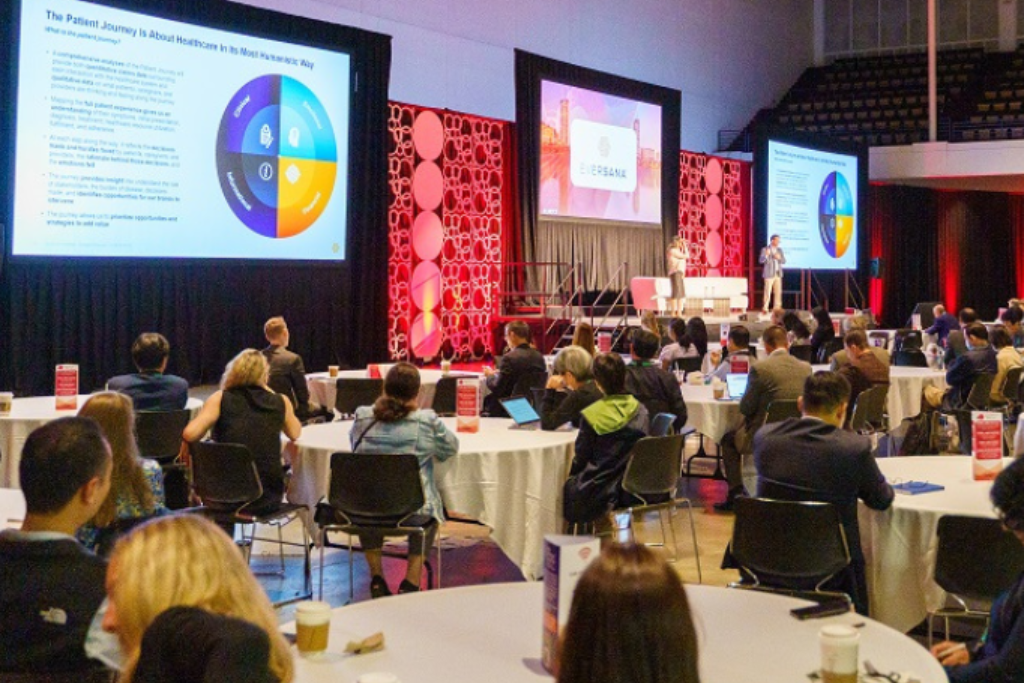
Explore the Agenda to Discover the Translational to Access Priorities Shaping Dermatology R&D in 2026
Explore a focused agenda of scientific case studies, expert panels and interactive discussions designed to help you discover novel targets, improve translational confidence, optimize clinical development, differentiate therapies and accelerate the next generation of dermatology innovation across both common and rare inflammatory skin diseases.
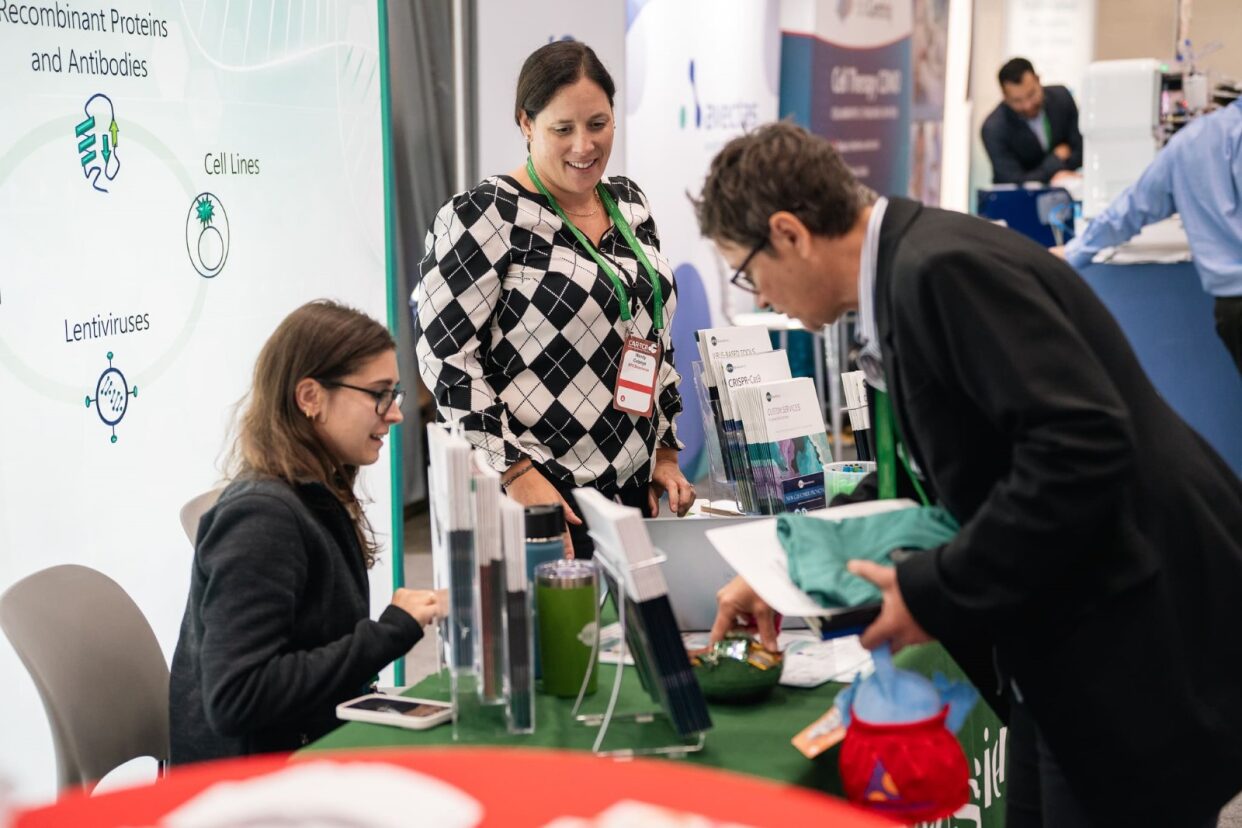
Partner to Position Your Solutions at the Centre of Active Dermatology Pipelines
Partner with the summit to showcase your capabilities to senior pharma and biotech teams actively seeking support across biomarkers, imaging, clinical trials, manufacturing and formulation.
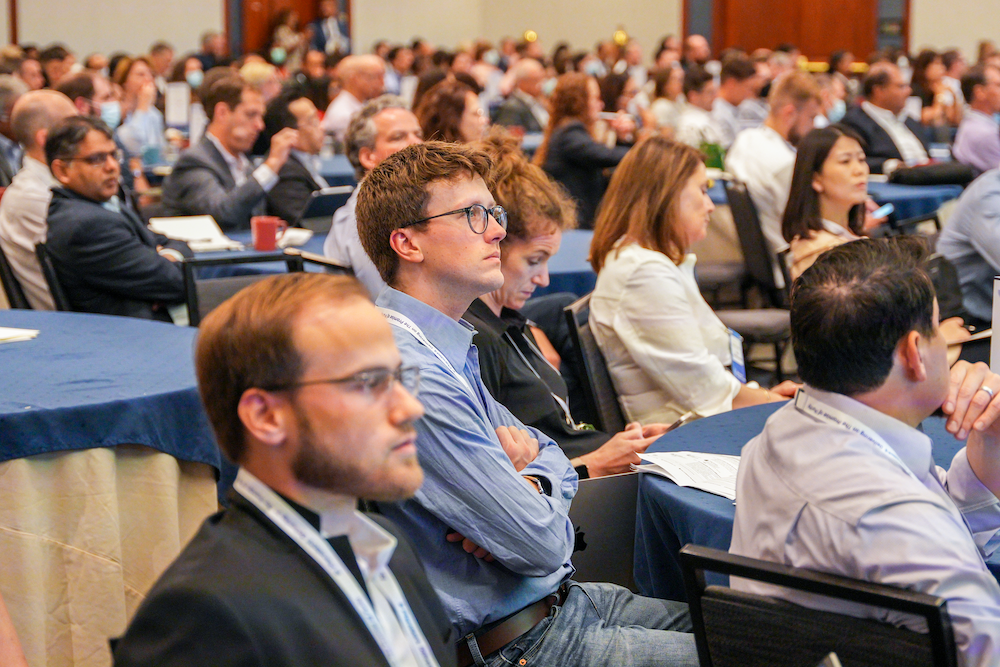
Join Biopharma Experts to Connect with the Decision-Makers Driving Dermatology Development Forward
Join a global audience of 90+ senior leaders from pharma and biotech for high-value networking, candid peer exchange and relationship-building across preclinical and late-stage development, access and launch.