
The Clinical Trial Readouts That Could Shape the Future of Drug Development
The second half of 2026 is set to be a pivotal period for the biopharma industry, with a series of highly anticipated clinical trial readouts expected across oncology, immunology, neurology and metabolic disease. Industry observers are closely watching these studies, as positive outcomes could influence regulatory strategies, trigger major business development activity and redefine standards of care in multiple therapeutic areas.
Among the most closely watched programs are next-generation immunotherapies, personalized cancer vaccines, novel obesity treatments and innovative approaches targeting Alzheimer's disease. Together, these trials highlight where the industry's leading companies are investing as they seek to deliver more effective and differentiated therapies for patients.
Beyond their individual results, these programs reflect a broader trend shaping pharmaceutical R&D: the pursuit of precision medicine, innovative biologics and targeted approaches designed to improve patient outcomes while addressing significant unmet medical needs.
What Does This Mean for Dermatology?
While many of the headline trials are taking place outside dermatology, they underscore the continued momentum behind immunology-driven drug development - a field that remains one of the most active and competitive areas of research today. Advances in biologics, novel targets and immune modulation strategies are increasingly influencing how companies approach inflammatory diseases, including dermatological conditions.
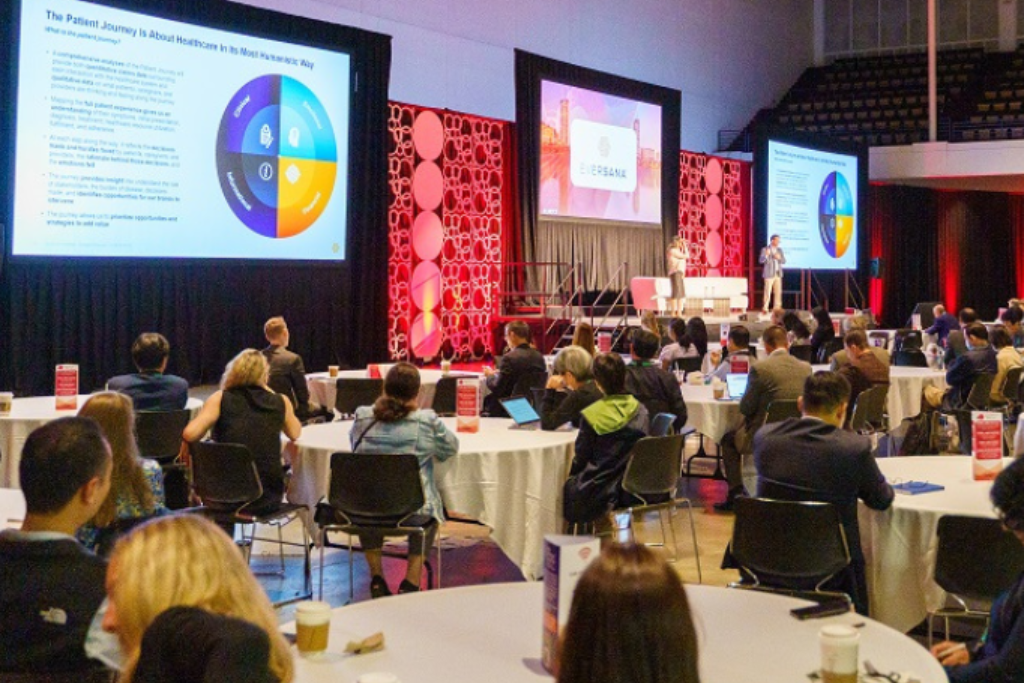
As the industry awaits these landmark clinical readouts, the conversation around what's next for immunology and inflammatory disease drug development will continue at the 10th Dermatology Drug Development Summit this November.
Here are the 10 to watch in the second half:
1) Summit Therapeutics & Akeso – Harmoni-3 (Lung Cancer)
- Evaluating ivonescimab, a novel PD-1/VEGF inhibitor, against the current Keytruda-plus-chemotherapy standard.
- Expected to be one of the most important oncology readouts of the year.
- Success could reshape first-line treatment for non-small cell lung cancer and validate a new class of immunotherapies.
2) Bristol Myers Squibb – ADEPT-2 (Alzheimer's Disease Psychosis)
- Testing whether Cobenfy can expand beyond schizophrenia into Alzheimer's-related psychosis.
- A major commercial opportunity given the large Alzheimer's patient population.
- Important for Bristol Myers following slower-than-expected Cobenfy sales.
3) Celldex Therapeutics – Embarq-CSU1 & CSU2 (Chronic Spontaneous Urticaria)
- Evaluating barzolvolimab in patients with chronic hives and severe itching.
- Could introduce a faster-acting and more effective alternative to current therapies like Xolair.
- Positive results may open opportunities across multiple mast-cell-driven diseases.
4) Moderna & Merck – Interpath-001 (Melanoma)
- Assessing a personalized mRNA cancer vaccine (intismeran) plus Keytruda.
- One of the most closely watched cancer vaccine trials in years.
- Success could revive confidence in therapeutic cancer vaccines and create a new treatment paradigm.
5) AstraZeneca & Ionis – Cardio-TTRansform (ATTR Cardiomyopathy)
- Testing eplontersen in transthyretin amyloidosis cardiomyopathy.
- Competing in a rapidly growing multibillion-dollar cardiovascular market.
- Could challenge existing therapies from Pfizer and Alnylam.
6) Biogen – TOPAZ-1 & TOPAZ-2 (Systemic Lupus Erythematosus)
- Evaluating litifilimab in lupus patients.
- Seen as one of Biogen's most important late-stage assets outside neuroscience.
- Success could establish a blockbuster treatment in an area with significant unmet need.
7) Vaxcyte – OPUS-1 (Pneumococcal Vaccine)
- Testing VAX-31, a next-generation vaccine covering 31 bacterial strains.
- Potential challenger to Pfizer's multibillion-dollar Prevnar franchise.
- One of biotech's most anticipated vaccine readouts.
8) Takeda – Zasocitinib Studies (Inflammatory Bowel Disease)
- Evaluating an oral TYK2 inhibitor in ulcerative colitis and Crohn's disease.
- A key test for the next generation of TYK2 therapies.
- Success could create an important oral treatment option in IBD.
9) Novartis – Harbor (Myotonic Dystrophy Type 1)
- Testing del-desiran, an RNA-based therapy acquired through Novartis' $12 billion Avidity deal.
- Aims to slow disease progression rather than just manage symptoms.
- Critical validation of Novartis' neuromuscular disease strategy.
10) Bristol Myers Squibb & Johnson & Johnson – Librexia-AF / Librexia-Stroke
- Evaluating milvexian, a next-generation Factor XI blood thinner.
- Goal is to prevent strokes while reducing bleeding risk versus existing anticoagulants.
- Could redefine blood-thinning therapy if successful.
Explore the Agenda to Discover the Translational to Access Priorities Shaping Dermatology R&D in 2026
Explore a focused agenda of scientific case studies, expert panels and interactive discussions designed to help you discover novel targets, improve translational confidence, optimize clinical development, differentiate therapies and accelerate the next generation of dermatology innovation across both common and rare inflammatory skin diseases.
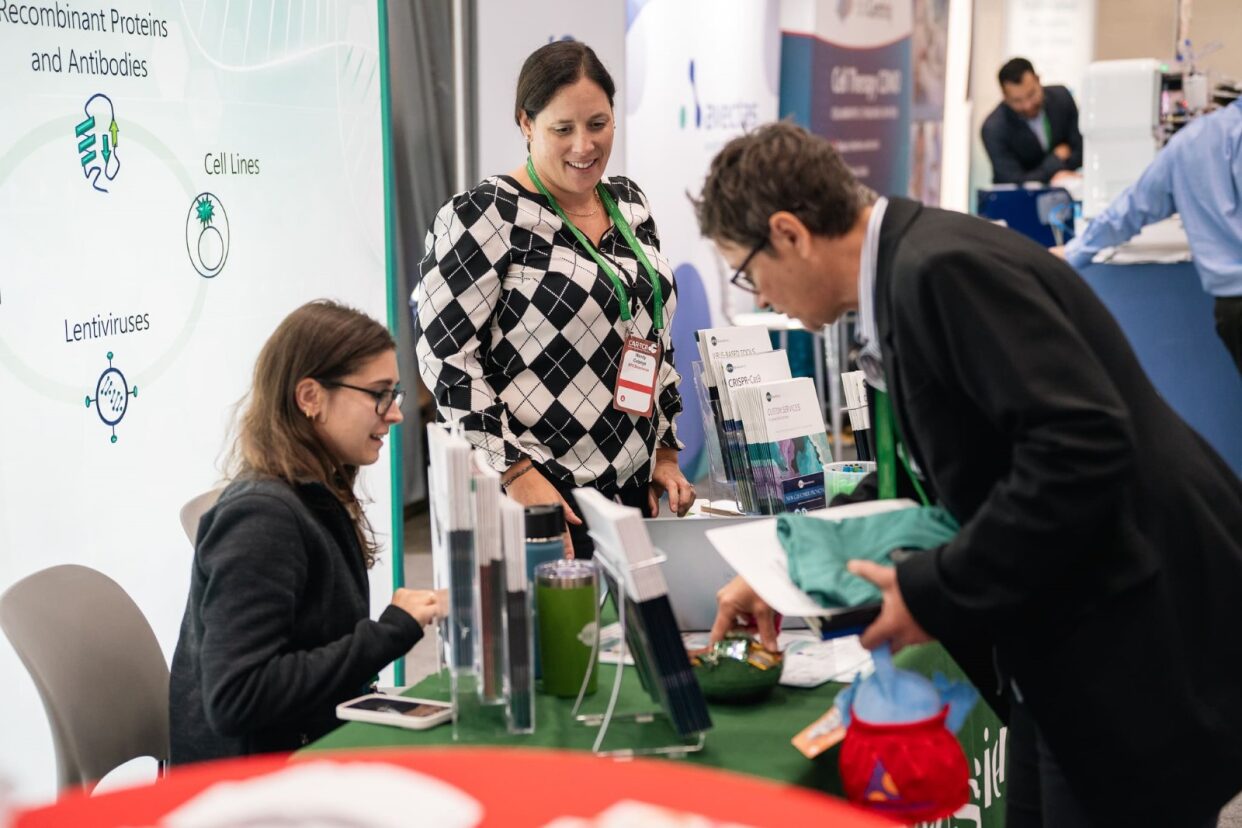
Partner to Position Your Solutions at the Centre of Active Dermatology Pipelines
Partner with the summit to showcase your capabilities to senior pharma and biotech teams actively seeking support across biomarkers, imaging, clinical trials, manufacturing and formulation.
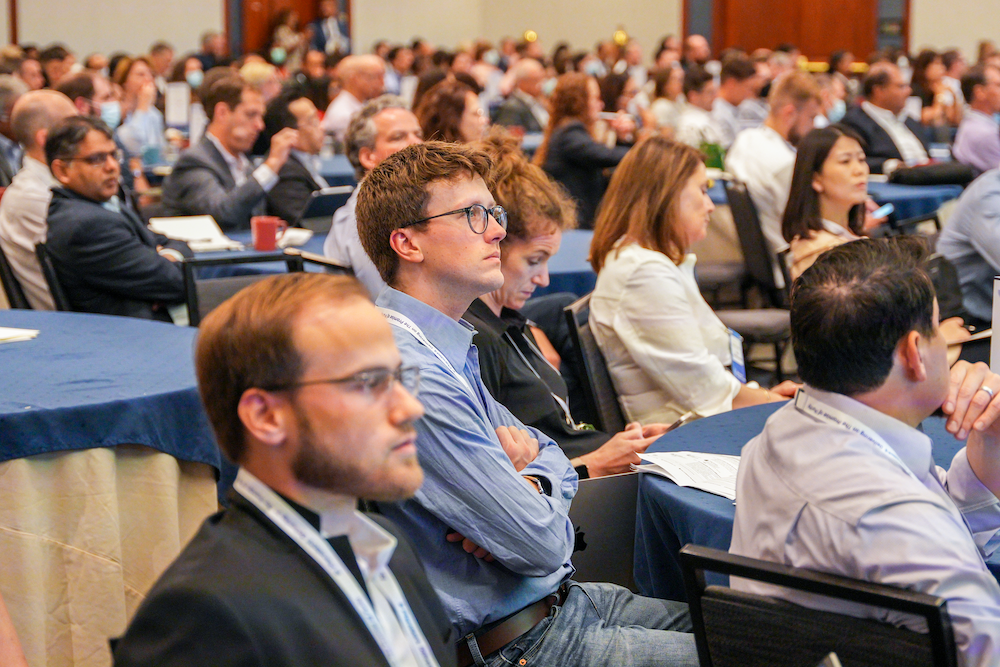
Join Biopharma Experts to Connect with the Decision-Makers Driving Dermatology Development Forward
Join a global audience of 90+ senior leaders from pharma and biotech for high-value networking, candid peer exchange and relationship-building across preclinical and late-stage development, access and launch.